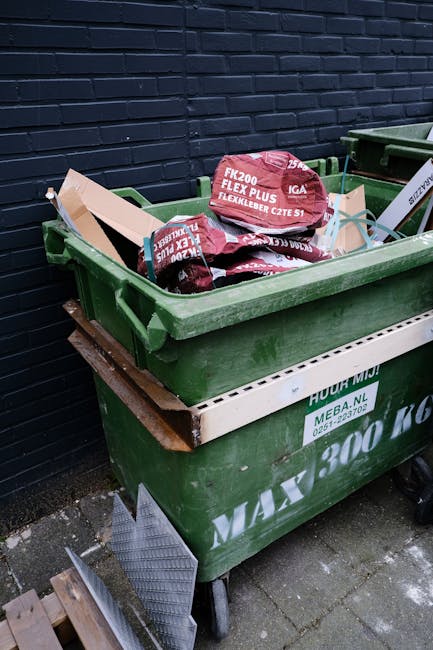
High Street Staines rubbish collection guide for shop fitouts
Shop fitouts can look deceptively simple from the pavement. A few skips of packaging, some old shelving, a bit of dust, maybe a broken counter or two. In reality, though, the waste side of a retail refit can become the bit that slows everything down, blocks access, and creates awkward conversations with neighbours, landlords, and contractors. This High Street Staines rubbish collection guide for shop fitouts is here to make that part easier.
If you are refreshing a boutique, fitting out a takeaway, replacing fixtures in a convenience store, or stripping out a unit for a full redesign, the rubbish needs a plan before the first panel comes off the wall. That is especially true on a busy High Street, where pedestrian flow, loading windows, and tight working space can turn a small disposal job into a logistical puzzle. The good news? With the right approach, you can keep the site cleaner, safer, and far less stressful.
This guide walks through what needs removing, how collection usually works, what to watch out for, and how to choose a method that suits the pace of your project. No fluff. Just practical advice you can use.
Why High Street Staines rubbish collection guide for shop fitouts Matters
On paper, shop fitout waste looks like a simple by-product. In practice, it affects almost every part of the project: access, safety, timing, and even the impression you give to customers and passers-by. A tidy site feels organised. A cluttered one feels behind schedule, even if the joiners are doing excellent work inside.
High Street locations add their own pressures. Deliveries often need to fit around trading hours, foot traffic, nearby businesses, and limited parking. If waste starts piling up at the front of the unit, people notice. And if they have to step around plasterboard offcuts or loose packaging, that becomes more than just an eyesore. It becomes a risk.
There is also the simple matter of sequence. Fitouts rarely generate one neat pile of rubbish at the end. They produce waste in waves: strip-out debris first, then packaging, then replaced fixtures, then odds and ends that surface once the job is nearly finished. A flexible collection plan helps you keep up with that rhythm instead of fighting it.
Expert summary: The best rubbish collection strategy for a shop fitout is not just about removing waste quickly. It is about keeping the site workable, protecting staff and customers, and making sure waste leaves the building in a controlled, traceable way.
To be fair, nobody gets excited about waste planning. But fitouts tend to punish the people who ignore it. One missed collection can snowball into a blocked entrance, a late handover, or a contractor standing around waiting for a clear path. And that is the sort of delay that starts to sting.
How High Street Staines rubbish collection guide for shop fitouts Works
A fitout collection service usually starts with a rough understanding of the site and the types of waste expected. You do not need a full engineering report. You do need a realistic picture of what will be coming out, how bulky it is, and whether there are any awkward items that need special handling.
For a typical shop refit, waste may include wood offcuts, broken shelving, display units, old counters, flooring, cardboard, packaging film, plasterboard, small metal components, fixings, and general mixed rubbish. If the refit involves catering or refrigerated display equipment, the list can expand quickly. That is where it helps to separate ordinary commercial waste from items that need special disposal.
Collection itself usually works in one of three ways:
- Scheduled collections for projects with predictable waste volume.
- One-off clearances for strip-outs or end-of-project removals.
- Phased collections where waste is removed in stages as the fitout progresses.
The phased option is often the most practical for a shop on a busy street. Waste leaves the site before it gets in the way, and the team can keep working without making repeated piles in the back room. It is a bit like tidying as you cook rather than facing a mountain of pans at the end. Much nicer.
Good collection planning also considers access. Can the vehicle stop nearby? Is there a rear entrance? Are there time restrictions? Will the collection team need to work around customers, scaffold, or deliveries? These questions sound basic, but they shape everything.
Key Benefits and Practical Advantages
Done well, rubbish collection is not just a cleanup task. It actively supports the fitout itself. Here are the main advantages people tend to notice first.
- Cleaner working conditions: Less dust, less clutter, fewer trip hazards, and a calmer site overall.
- Better schedule control: Regular removal keeps the project moving instead of waiting for a final clear-up.
- Improved public presentation: A neat frontage matters on High Street, especially if neighbouring shops are open.
- Lower risk of damage: Waste that stays too long often gets kicked, crushed, or drags across newly installed finishes.
- Smarter segregation: Sorting materials early can improve reuse and recycling opportunities.
- Less last-minute panic: You are not trying to remove a full unit's worth of debris an hour before opening day.
There is also a financial angle, though it is not always obvious at first. When waste is handled in an organised way, the team spends less time moving material back and forth. That means fewer interruptions, fewer accidental reworks, and fewer hours lost to "where do we put this?" conversations. Those little pauses add up.
If the fitout includes removal of old furniture or storage pieces that are still in decent condition, it may be worth separating them from actual rubbish. For example, some shelving or seating may be suited to a furniture clearance approach rather than mixed disposal. If you are also stripping office-style back-of-house areas, a related office clearance method can be a better fit than treating everything as general rubbish.
Who This Is For and When It Makes Sense
This guide is for anyone involved in a retail or commercial unit refit in or around Staines High Street. That includes shop owners, franchise managers, landlords, fitout contractors, project managers, and tradespeople who suddenly find themselves in charge of the waste. Happens all the time, honestly.
It makes sense if you are:
- changing layouts and removing old fixtures
- replacing shopfront displays or counters
- tearing out flooring, partitions, or ceiling materials
- upgrading a retail unit between tenants
- remodelling a unit for a new brand or use
- dealing with mixed commercial rubbish from several trades
It is also useful when the fitout is not a full strip-out but still produces a lot of waste. A small job can still create a surprising amount of material once cardboard, wrapping, timber, plasterboard, and packaging are all added together. If you have ever watched three flat-pack deliveries turn into six bags of packaging and a pile of broken pallets, you already know the feeling.
For larger refurbishment jobs, especially those involving heavy construction waste, the planning becomes closer to a builders' job than a tidy retail refresh. In that case, it may be worth thinking alongside builders waste clearance and broader waste removal support.
Step-by-Step Guidance
If you want a straightforward way to organise rubbish collection for a shop fitout, follow this sequence. It is not glamorous, but it works.
1. Walk the site before work starts
Do a proper walkthrough with the contractor or site lead. Look at entrances, rear access, loading points, delivery obstructions, and where waste is likely to build up. Stand in the doorway and imagine a trolley, a sack barrow, or a bulky panel being moved through. If it feels awkward then, it will feel worse when the site is busy.
2. Separate waste types early
Try not to let everything become one giant mixed pile. Separate cardboard, timber, metal, reusable fixtures, and anything that needs special care. This simple step makes collections faster and often cleaner.
3. Flag any awkward or restricted items
Certain items need extra attention. That might include refrigeration units, electrical equipment, or materials that could be classed as hazardous depending on what they are and how they are contaminated. If you are dealing with such waste, check whether hazardous waste disposal is needed rather than ordinary removal.
4. Decide whether collections should be phased
For active fitouts, phased collection usually keeps the site tidier than a single end-of-job sweep. For faster strip-outs or late-stage handovers, a one-off collection may be enough. Match the method to the work, not the other way round.
5. Plan around busy street conditions
On High Street, timing is half the battle. Early mornings, quieter periods, and clearly agreed loading windows make life easier. Nobody wants a collection vehicle sitting awkwardly in the way while customers are trying to get past with a coffee and a shopping bag.
6. Keep a final sweep at the end
When the main waste has gone, do a final check for small debris, fixings, loose film, tape, and dust buildup near thresholds. The last 5% of cleanup often makes the biggest difference to how polished the unit feels.
Expert Tips for Better Results
Here is the part people usually learn the hard way. A few small habits make collection far smoother.
- Use labelled zones. Even chalk marks or tape on the floor can help teams avoid mixing clean material with general waste.
- Keep sharp and fragile items separate. Broken glass, mirrors, and exposed metal edges can complicate handling.
- Compress packaging where safe. Flatten cardboard and consolidate film so you are not paying to move air.
- Leave a route clear. A narrow but open path saves time and reduces damage to finishes.
- Match collection timing to delivery timing. If new stock or fittings arrive the same day, waste removal should not be an afterthought.
One practical trick: keep a small "last pile" area for things the contractor is not fully sure about. That way, nobody makes snap decisions under pressure. You avoid accidental disposal of useful parts, spare fittings, or items the landlord might want retained. A tiny bit of structure saves a lot of muttering later.
If your project involves old appliances, back-of-house fridges, or display units, it can help to treat them separately. A dedicated fridge and appliance removal approach is often more sensible than shoving everything into a general rubbish load. Same goes for sealed documents or sensitive paperwork. If you need secure handling, confidential shredding is the safer route.
Common Mistakes to Avoid
Most collection problems come from a few very ordinary mistakes. Nothing dramatic. Just small oversights that create unnecessary pain.
- Leaving waste planning until the end. That is how sites become cluttered and handovers get rushed.
- Assuming one collection will cover everything. Fitouts often generate more waste than expected.
- Mixing regulated items with general waste. Not everything can go in the same load, and guessing is a bad habit.
- Blocking access routes. It only takes one stacked pallet in the wrong place to slow everybody down.
- Forgetting about the frontage. On a busy street, even a short-lived pile can look messy and invite complaints.
- Ignoring local operational constraints. Traffic, parking, and neighbour access are part of the job, not side issues.
Another common one: people underestimate the impact of packaging waste. It does not look serious because it is light, but it spreads quickly. Wrap catches the wind, boxes collapse into awkward shapes, and before long the site looks busier than it really is. A bit of discipline keeps that under control.
Tools, Resources and Recommendations
You do not need a huge kit to manage fitout rubbish properly, but a few tools make a real difference.
- Heavy-duty rubble sacks and clear waste bags for smaller mixed debris
- Labels or colour-coded tape for separation zones
- Trolleys or dollies for moving awkward loads safely
- Dust sheets and floor protection to keep newly fitted areas clean
- Cutters and box knives for breaking down cardboard safely
- Bin liners and lidded containers for small offcuts and fixings
For many shop refits, it also helps to review what can and cannot be loaded into a skip if you are using one part of the process. The page on what can go in a skip is a useful starting point for understanding accepted waste types, while recycling and sustainability gives a better sense of how to reduce avoidable disposal.
If you want to understand pricing more clearly before the job begins, it is worth looking at pricing and quotes so you can compare collection options with a bit more confidence. And if you are the sort of person who likes getting things booked before the week disappears, book online can be a practical next step.
Law, Compliance, Standards, or Best Practice
Waste from a commercial fitout should be handled with care and traceability. In the UK, businesses have duties around controlled waste, correct segregation where relevant, and ensuring waste is passed to an authorised carrier. The exact requirements depend on the waste type and the situation, so it is sensible to treat compliance as a working part of the project rather than a box-ticking exercise at the end.
Best practice usually includes:
- keeping records of what was removed and when
- checking whether certain items need special handling
- separating recyclables where practical
- making sure staff know where waste should go
- reducing the chance of unauthorised dumping or fly-tipping
Health and safety matters too. Fitouts involve sharp edges, dust, lifting, and cramped movement. Good housekeeping reduces slips and trips, which sounds basic because it is basic. But basic is often what keeps a job running. You can review a provider's approach through pages like health and safety policy and insurance and safety if you want reassurance before booking.
If a project includes out-of-hours access, public walkways, or shared building space, it is worth being extra careful with working methods. The goal is simple: no messy surprises, no unsafe shortcuts, no "we'll sort that later" attitude. Later has a way of becoming expensive.
Options, Methods, or Comparison Table
Different shop fitouts call for different rubbish collection methods. Here is a simple comparison to help you choose the right approach.
| Method | Best for | Pros | Trade-offs |
|---|---|---|---|
| Phased collection | Active refits with ongoing waste | Keeps the site clear, reduces clutter, supports steady progress | Needs coordination and regular timing |
| One-off clearance | Strip-outs or end-of-project tidying | Simple to arrange, good for a final clean-out | Waste can build up if the project runs long |
| Skip-based disposal | Longer projects with mixed builders waste | Useful for bulk waste, easy on-site containment | Requires space and careful sorting rules |
| Ad hoc small-load removal | Light refurbishments or occasional waste peaks | Flexible, quick, minimal disruption | Can become inefficient if volumes rise |
In many real fitouts, the answer is a mix. For example, a team might use a skip for heavier debris, then arrange occasional rubbish collection for packaging, fixtures, and items that should not sit around for days. The best method is the one that keeps the work moving without crowding the unit.
If the job is more construction-heavy than retail-facing, combining fitout collections with builders waste clearance can be a cleaner, simpler route than trying to force everything into a single system.
Case Study or Real-World Example
Imagine a small fashion shop on Staines High Street preparing for a full interior refresh. The old rails, a storage counter, packaging from new fixtures, and several bags of broken-down display material all come out over a four-day period. The first instinct might be to stack everything in the back until the end. That would work, sort of. But by day two, the room would already feel cramped, and staff would be stepping around boxes every five minutes.
Instead, the team separates the waste into three zones: reusable fixtures, general rubbish, and bulky items for collection. Cardboard is flattened as soon as it arrives. Old shelving is removed in sections, not dumped all at once. By the final day, the fitout crew can actually see the floor. That matters more than people think. A clear site tends to produce better work. Less stress, fewer mistakes, less cursing under the breath.
There is also a neighbour-facing benefit. On a busy street, the shop does not look like a half-finished mess for longer than it needs to. Passers-by see a controlled project rather than an obstruction. That is reassuring for the retailer, the landlord, and the people next door who are trying to trade in peace.
In another real-world scenario, a unit changing from retail to light office use may have mixed waste from desks, broken partitions, and old fittings. In that case, a broader business waste removal approach may be more suitable than treating the job as a domestic-style clearance. Different project, different rhythm.
Practical Checklist
Use this before and during the fitout to keep rubbish collection under control.
- Confirm the type and size of the fitout waste expected
- Map access points, loading space, and any restrictions
- Separate general waste, recyclables, and special items
- Assign one person to oversee waste decisions on site
- Keep a clear route from the work area to the collection point
- Remove packaging and small offcuts before they spread
- Check whether appliances, glass, or confidential material need separate handling
- Schedule collections to avoid clashes with deliveries or peak footfall
- Do a final sweep for fixings, tape, dust, and loose debris
- Review any safety or insurance requirements before the job begins
Quick tip: if you are unsure whether something belongs in general waste, do not guess. Put it aside, label it, and check it properly. That one small pause can save a lot of trouble.
Get a free quote today and see how much you can save.
Conclusion
Good shop fitouts do not just happen in the visible parts of the unit. They depend on all the quiet background work too, and waste handling is a big part of that. A smart rubbish collection plan keeps the site safer, the project tidier, and the handover smoother. It also makes the whole job feel more professional, which customers and neighbours do notice, even if they do not say it out loud.
If you are planning a retail refit on High Street Staines, the best move is to think about waste before the dust starts flying. Set the rhythm early, separate materials sensibly, and use collection methods that match the pace of the work. Small decisions, made early, tend to save the biggest headaches later.
And once the final bag is gone and the new unit starts to come together, there is a proper sense of relief. A clean site just feels better. Simple as that.
Frequently Asked Questions
What kind of waste comes from a shop fitout?
Shop fitouts usually create mixed waste such as cardboard, timber offcuts, packaging film, old fixtures, shelving, plasterboard, metal brackets, and general rubbish. If the unit includes catering or refrigeration, there may also be appliances or other special items.
Do I need rubbish collection during the fitout, or only at the end?
That depends on the scale of the job. Many High Street fitouts work better with phased collections because waste builds up quickly. A final clearance is still useful, but waiting until the end can make the site cramped and harder to manage.
Is a skip always the best option for a shop fitout?
Not always. Skips are useful for bulk waste, but they need space and careful planning. For projects with tight access or changing waste volumes, a mixed approach with scheduled rubbish collection can be more practical.
Can old shop furniture be reused instead of thrown away?
Sometimes, yes. If shelving, counters, or seating are still usable, they may be better handled separately rather than mixed with general rubbish. That can make disposal more efficient and may reduce waste volume.
What should I do with broken appliances or display fridges?
Appliances are often best treated separately because they may need specific handling. A dedicated appliance removal approach is usually safer than adding them to a general mixed waste load.
How do I keep the site safe while waste is being collected?
Keep walkways clear, avoid overfilling bags, separate sharp items, and make sure waste is stored where it will not block exits or public access. A tidy site is usually a safer site, though it does take a bit of discipline.
What if the waste includes something hazardous?
Do not place it with ordinary rubbish unless you are certain it is allowed. Some materials need special treatment, and uncertain items should be checked before removal. It is better to pause than to make a risky assumption.
How far in advance should I arrange collection?
The earlier the better, especially on a busy street where access and timing matter. Even a rough plan before work starts can prevent delays when waste begins to pile up faster than expected.
Can fitout waste be recycled?
Often, yes. Cardboard, metal, some timber, and certain other materials may be suitable for recycling depending on condition and contamination. Separating materials early gives you the best chance of diverting waste from landfill.
What is the biggest mistake people make with shop fitout waste?
The most common mistake is leaving waste planning too late. People focus on the new counters, lighting, or flooring and assume rubbish will sort itself out. It usually does not. A little planning upfront goes a long way.
Does rubbish collection help with the final handover?
Absolutely. A clean, uncluttered site makes snagging easier, speeds up final inspections, and creates a better impression when the unit is handed back or reopened. It is one of those unglamorous details that quietly changes everything.
What should I ask before booking a collection service?
Ask what waste types are accepted, how access will be handled, whether special items need separate treatment, and how pricing is structured. Clarity at the start saves awkward surprises later.